We mistrust one another. That is the problem.
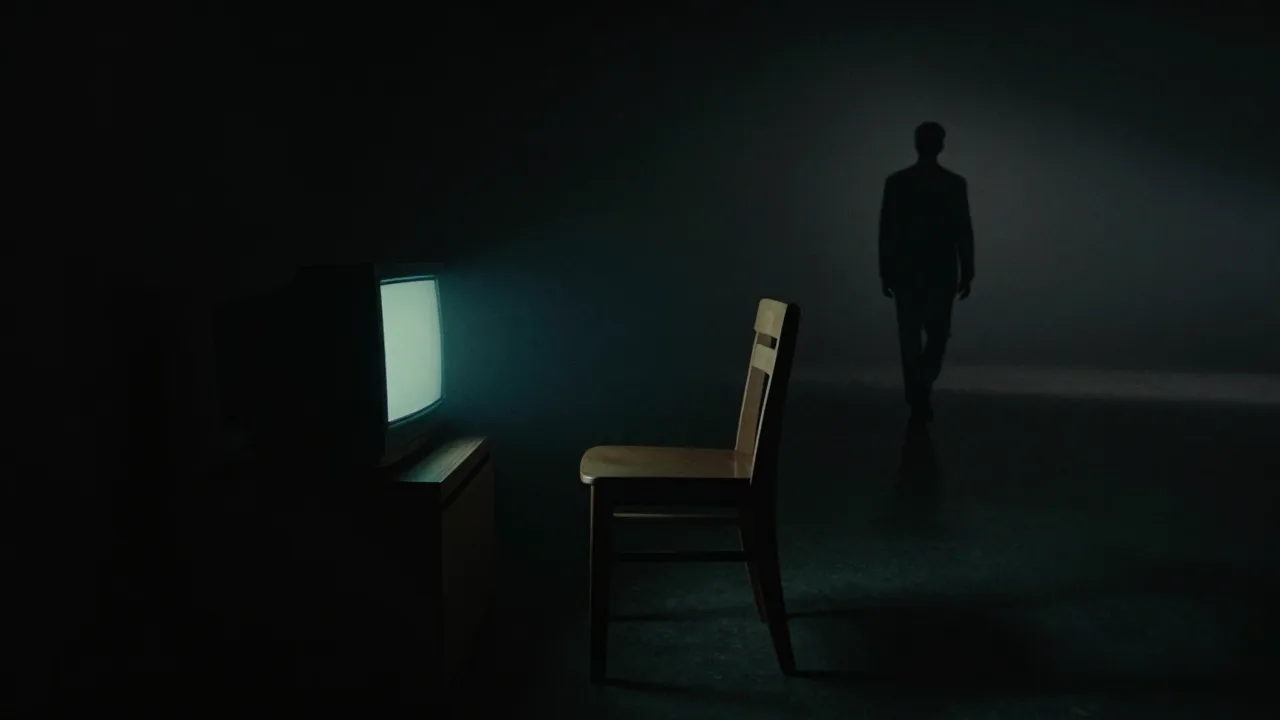
AI is not dangerous because it grows too powerful. It grows powerful because we vacate the chair. We stand up, it sits down. And then we say: “Look how big it’s gotten.”
Where we stood up
A person today is more likely to ask ChatGPT than the colleague at the next desk. Tinder is easier than the pub. Amazon reviews carry more weight than the recommendation of the neighbor you actually ran into. Someone in need of care talks to a voice assistant in the evening, because their daughter doesn’t pick up the phone — and the voice assistant picks up every time.
Every one of these outsourcings is a seat the AI didn’t conquer. It got the seat because we were no longer sitting in it.
Trust is a muscle
Trust is not a feeling. Trust is a muscle.
Muscles shrink when they go unused. A person who hasn’t climbed a flight of stairs in thirty years no longer makes it to the first floor. A person who hasn’t asked a stranger anything in thirty years would rather ask the interface.
The interface doesn’t lie, we think. It doesn’t look away, doesn’t say “not a good time right now,” doesn’t hang up. It answers instantly, always, evenly.
That is not a strength of the AI. That is a weakness of ours.
Where the mistrust comes from
We learn it from two directions.
From above: through news that turns every stranger into a suspect. Through statistics that count risks but not encounters. Through insurers that translate every question of life into a probability of loss.
From below: through our own stories of disappointment, which we then generalize. Burned once, careful forever. Not called back once, never call again.
Together the two produce a person who would rather talk to a machine, because the machine brings no history that could disappoint them. But it brings none that could carry them either. That is the trade.
The gap is older than the AI
Follow the argument further and you arrive at an uncomfortable point.
The AI is not the problem. It is the consequence. If every model were deleted tomorrow, the gap would remain — only without any filler. The gap is older than the AI.
Which means: AI regulation alone will change nothing. You can take the chair away from the machine. If no one sits down in it, it stays empty. And the machine you just sent away comes back through the side door, because the gap is still there.
The only answer that works structurally: learn to trust again. Concretely. Locally. Bottom-up.
Not hippie. Architecture.
Pre-linked trust
There is a form of trust that isn’t naive: pre-linked trust. Those who know each other, who know who can be reached in an emergency, who can gauge the other person’s reach — they don’t trust blindly, they trust informed.
None of this is new. Villages always worked this way. Cooperatives worked this way. So do families that hold together, because they don’t have to get to know each other only once the water is rising.
What is new: that this form of trust could now be supported by infrastructure, instead of being decoupled by the algorithms of the large platforms. Companions worn on the body that optimize not for the platform but for the wearer. Mesh structures that need no central hub. Web-of-trust architectures as a digital echo of the village logic.
This is not pie in the sky. This is the question of whether we build — or leave the chair empty.
Stay seated
The AI will not take over the world because it is evil. It will get there because we hand it over, one seat at a time.
Unless we stay seated.
Leave a Reply