counting from today.
Milestone 1 — Q3 2026: The Authenticity Collapse
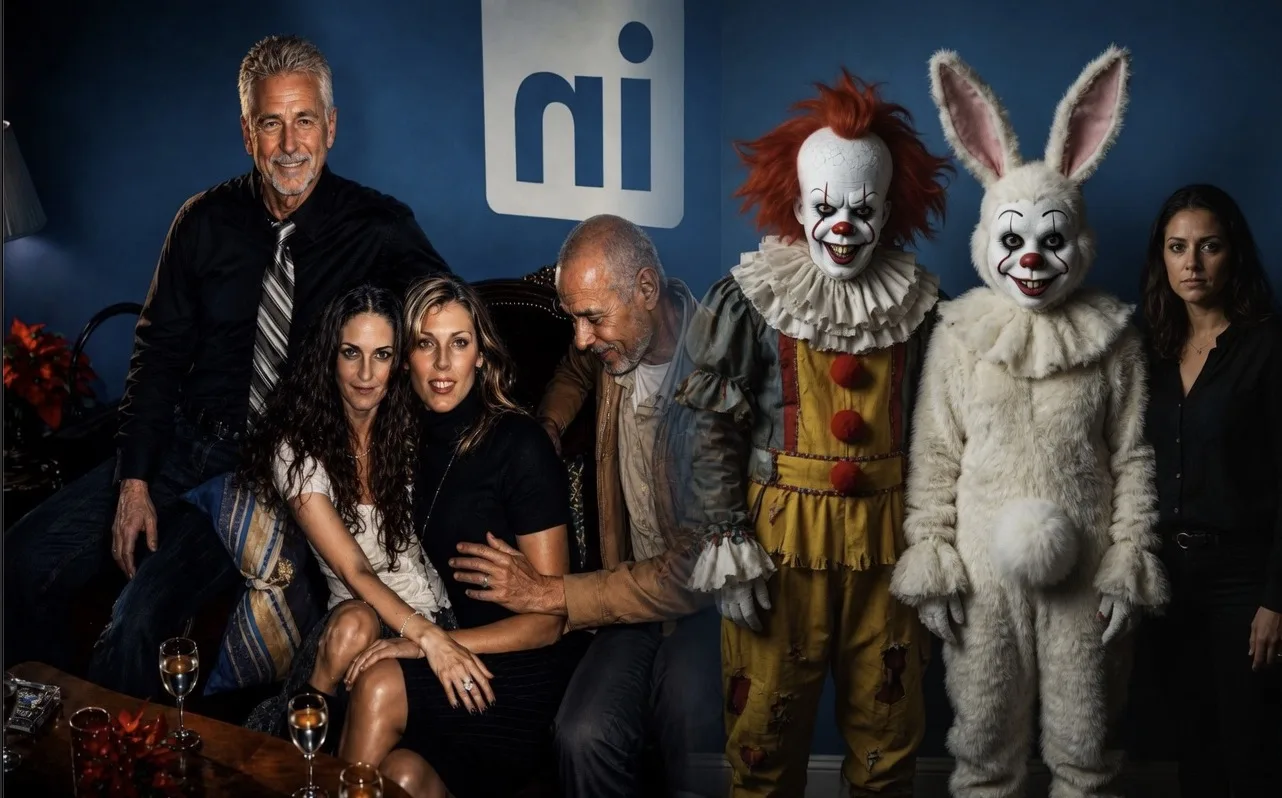
AI-generated profiles, AI-written posts, AI-phrased comments reach critical mass. Nobody can tell anymore whether the “inspiring story about my career change” came from a human or from a 9-euro-a-month prompt kit.
Recruiters report: 70% of applications sound identical — same phrases, same structure, same emotional beats. LinkedIn rolls out “Verified Human Content” as a premium feature, which amplifies the effect rather than fixing it. Now everyone officially knows the rest is machine.
The first major brands pull their ad budgets, because engagement metrics keep rising while conversion rates collapse. The platform becomes an echo chamber where bots applaud bots.
Milestone 2 — Early 2027: The Identity Question Turns Political
A bigger incident makes it concrete. Three variants, each plausible:
Variant A: An AI-faked recommendation lands someone a top position at a DAX corporation. Comes out after six months. Damage in the double-digit millions.
Variant B: A mass doxxing operation using LinkedIn data — the profile data model is structurally too open.
Variant C: The EU tightens the DSA/AI Act, and LinkedIn has to provide provenance records for posts. That breaks the business model.
Whichever variant fires — the effect is the same: trust gone. The first prominent voices leave the platform. Not in protest, but because they realize: identity needs a different foundation than a Microsoft account.
Milestone 3 — 2028/29: The Fragmentation
LinkedIn stays. But as a tool, not as a place. The way Xing is in Germany today — present, maintained, but nobody lives there anymore.
The real networks shift in three directions:
- Decentralized & federated — built on ActivityPub with Verifiable Credentials. Identity through cryptography, not through platform attestation.
- Industry-specific & closed — Dev, Legal, Health. Identity through peer verification.
- Your own turf — newsletters, personal domains, curated circles.
What’s left of LinkedIn: a job database with an attached influencer theater.
What Most People Miss
LinkedIn isn’t dying because of a competitor.
LinkedIn is dying of its own success — of a platform economy that rewards bots economically and punishes authenticity structurally. Microsoft won’t want to fix that. The corporation optimizes for engagement numbers, not for truthfulness.
The vacuum that opens up is real. The only question is: are you early — or too early?
As always: 3–5 years too early. — Dilles
Leave a Reply